Tagalog Translation Service for All Cities
Tagalog Translator All Cities
Getting a great translator is as easy as calling or requesting a quote.
Contact us by clicking on the Get a Quote on the right side of this page or call us.
Effective communication is an essential element of building trust in a business and personal relationship. Our Tagalog translators at Translationz offer a professional translation service. We can help provide you with a Tagalog translator or Tagalog interpreter with our translation service.
Many individuals also require a Tagalog translation service. Whether you need a personal letter translation, a marriage certificate translation, birth certificate translation, a medical document translation, legal document translation, website translation or any other certified translation, our translators at Translationz can help you. Click on the button on the upper right to receive a free quote. Our Tagalog translator service is extremely competitive and offers the option of a rapid turnaround time.
Tagalog Language
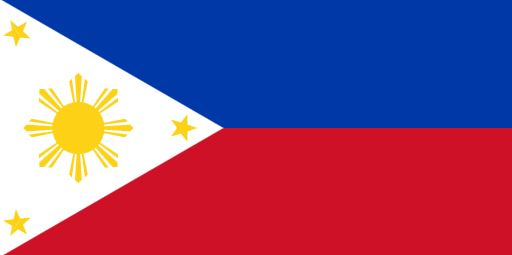
Tagalog is an Austronesian language spoken as a first language by a quarter of the population of the Philippines and as a second language by the majority. It is the first language of the Philippine region IV (CALABARZON and MIMAROPA), of Bulacan and of Metro Manila. Its standardized form, officially named Filipino, is the national language and one of two official languages of the Philippines, the other being English.

It is related to other Philippine languages such as the Bikol languages, Ilokano, the Visayan languages, and Kapampangan, and more distantly to other Austronesian languages such as Indonesian, Hawaiian and Malagasy.
The naming of the Filipino language has a fascinating history. The Filipino language, previously referred to as Pilipino, is sometimes confused with the Tagalog from which it was derived. The Filipino language was declared the official language of the Philippines in 1987. The Philippine government’s choice to call the national language “Filipino” reflects the complex cultural history associated with the language.
Classification and Vocabulary of the Filipino Language
The Filipino language, based on the Tagalog language, is a member of the Austronesian, or Malayo-Polynesian language family. Filipino, is technically considered to be a variant of Tagalog language. Filipino and Tagalog are essentially the same language, however, Filipino is considered the proper form of the language especially by Filipino-speakers.
As one of the world’s largest language families, the Austronesian language family is split into two groups--Central-Eastern and Western. Filipino belongs to the Western language family as does Malay, Indonesian and Javanese languages.
Filipino and Tagalog are essentially identical in grammar and vocabulary. While the Philippine government declares Filipino the native language of the Philippines, the Tagalog people declare that Tagalog is the native language of the Tagalog people. Tagalog people is a dominant native group of the Philippines. In the 1930s, among this group, it was decided that Tagalog would be the national language of the Philippines; this language was called “Wikang Pambansa” (literally “National Language”).
Early History of the Filipino Language
Relatively little is known about the Tagalog language. Some linguists believe that, like the people of the Central Philippines, the Tagalog people originated along the Northeastern Mindanao or Eastern Visayas.

The first written example of the Tagalog language dates from circa 900 AD. Fragments of Tagalog, Sanskrit, Malay and Javanese appear in the Laguna Copperplate Inscription. The first known book written in the Tagalog language is a Christian Doctrine which dates from the late 16th century, Two Versions of this book was written in both Spanish and Tagalog and in Tagalog the book was written in the Latin alphabet and the other in the Baybayin script. Baybayin is an ancient writing system of the Tagalog language that existed in the Philippines before the arrival of the Spanish.
During the years of Spanish occupation, the development of the written Filipino language progressed lead through the efforts of Spanish missionaries and clergy members who completed manuals and vocabulary guides to Tagalog.
Spanish Influence on the Tagalog Language
In 1565, the first Spanish settlement was established in the Philippines and a period of Spanish colonial rule ensued. Throughout the period of Spanish dominance in the Philippines, the Tagalog language underwent significant evolution. Spanish words were infused into the Tagalog language and it is estimated that today, 40% of informal Tagalog vocabulary used in common speech consists of Spanish loanwords or words derived from Spanish origins.
Up until the Spanish-American war in 1898, Spain continued to rule the Philippines. After the war, the United States took control over the Philippines and iIt was not until 1946 that the Philippines became a fully independent democratic republic.

Filipino as an Official Language
In 1987, the constitution of the Republic of the Philippines designated Filipino as the official national language of the Republic and made provisions for future evolution of the language in accordance with other Philippine languages. Today many Filipino-speakers, especially those who are non-Tagalogs, refer to their language as “Tagalog-based.”
With approximately 14 million members, native Tagalog-speakers make up one of the largest linguistic and cultural groups of the Philippines. Today Filipino serves as the national language of the Philippines and, along with English, is one of the country’s official languages – an impressive feat considering that more than 100 languages exist within the Philippines. Filipino is taught in schools throughout the Philippines and is the official language of education and business.
Contact us for your Tagalog translation using our professional translators.
Tagalog Translation Service
Tagalog Translator and Tagalog Interpreter Services
 Our Tagalog translator and Tagalog interpreter services are available across Australia. We also offer Tagalog interpreters for Australians travelling internationally and an Tagalog translator for all of your document translations. Face to face interpreters are available for your meetings in Australia, and Tagalog document translation services are available for all your Tagalog translation needs. Telephone translator services are available for your business meetings.
Tagalog Translation Services Overview
Tagalog Translationz provides translator and interpreter services in cities across Australia and internationally. Our translators are professional, fast and accurate in all aspects of Tagalog Tagalog translation.
Our Tagalog translators are experienced in a wide variety of Tagalog document translations. We spend the time to understand your needs and then recommend the right solution. We offer highly qualified, skilled, certified and experienced translators. Our Tagalog translators have industry experience in legal document translation, medical records translation, marketing and websites, technical and engineering documents, birth, marriage and death certificates and more.
Ask about our enhanced quality assurance methodology, when achieving 100% accuracy is critical for your Tagalog translation.
Translationz also provides experienced Tagalog interpreters. Interpreters will come to your site or work over the phone or web. Our Interpreters are articulate, perceptive, professional and presentable and will easily adapt to the situation.
We can offer short or longer term arrangements for your Tagalog intepreting assignments. Recent Tagalog Translation and Tagalog Interpreter Projects Tagalog Interpreter Services.
We are specialists in our Tagalog interpreting across Australia.
For a free quote, click the “Get A Quote” button to the right of this screen, or call us on any phone number listed on this website.
Tagalog Translation
We were requested to translate Tagalog documents for a court case. Documents were translated and certified and the client was extremely satisfied.

Tagalog Legal Interpreter (Tagalog Court Interpreter)
An Tagalog interpreter was required for this court case. All of our Tagalog interpreters were fully booked but we were able to meet this clients needs by flying our Tagalog court interpreter in from interstate.
Certified Tagalog Birth Certificate Translation
Translationz can perform rapid turnaround of a certified translation of Tagalog Birth Certificate. You can upload your scanned certificate for a rapid response and a quotation. Our recent birth certificate translations have included:
Tagalog Translation Melbourne Birth Certificate translation
Tagalog Translation Brisbane Birth Certificate translation
Tagalog Translation Sydney Birth Certificate translation
Tagalog Translation Canberra Birth Certificate translation
Tagalog Translation Perth Birth Certificate translation
Tagalog Translation Adelaide Birth Certificate translation
Tagalog Interpreter Services
We are specialists in our Tagalog interpreting across Australia.
Tagalog Medical Interpreter
We sent our qualified interpreter to assist with an urgent medical matter. Communication was clear and effective and the medical outcome was good.
For a free quote, click the “Get A Quote” button to the right of this screen, or call us on any phone number listed on this website.
Tagalog Language

Tagalog is an Austronesian language spoken as a first language by a quarter of the population of the Philippines and as a second language by the majority. It is the first language of the Philippine region IV (CALABARZON and MIMAROPA), of Bulacan and of Metro Manila. Its standardized form, officially named Filipino, is the national language and one of two official languages of the Philippines, the other being English.
It is related to other Philippine languages such as the Bikol languages, Ilokano, the Visayan languages, and Kapampangan, and more distantly to other Austronesian languages such as Indonesian, Hawaiian and Malagasy.
The naming of the Filipino language has a fascinating history. The Filipino language, previously referred to as Pilipino, is sometimes confused with the Tagalog from which it was derived. The Filipino language was declared the official language of the Philippines in 1987. The Philippine government’s choice to call the national language “Filipino” reflects the complex cultural history associated with the language.
Classification and Vocabulary of the Filipino Language
The Filipino language, based on the Tagalog language, is a member of the Austronesian, or Malayo-Polynesian language family. Filipino, is technically considered to be a variant of Tagalog language. Filipino and Tagalog are essentially the same language, however, Filipino is considered the proper form of the language especially by Filipino-speakers.
As one of the world’s largest language families, the Austronesian language family is split into two groups--Central-Eastern and Western. Filipino belongs to the Western language family as does Malay, Indonesian and Javanese languages.

Filipino and Tagalog are essentially identical in grammar and vocabulary. While the Philippine government declares Filipino the native language of the Philippines, the Tagalog people declare that Tagalog is the native language of the Tagalog people. Tagalog people is a dominant native group of the Philippines. In the 1930s, among this group, it was decided that Tagalog would be the national language of the Philippines; this language was called “Wikang Pambansa” (literally “National Language”).
Early History of the Filipino Language
Relatively little is known about the Tagalog language. Some linguists believe that, like the people of the Central Philippines, the Tagalog people originated along the Northeastern Mindanao or Eastern Visayas.
The first written example of the Tagalog language dates from circa 900 AD. Fragments of Tagalog, Sanskrit, Malay and Javanese appear in the Laguna Copperplate Inscription. The first known book written in the Tagalog language is a Christian Doctrine which dates from the late 16th century, Two Versions of this book was written in both Spanish and Tagalog and in Tagalog the book was written in the Latin alphabet and the other in the Baybayin script. Baybayin is an ancient writing system of the Tagalog language that existed in the Philippines before the arrival of the Spanish.
During the years of Spanish occupation, the development of the written Filipino language progressed lead through the efforts of Spanish missionaries and clergy members who completed manuals and vocabulary guides to Tagalog.
Spanish Influence on the Tagalog Language

In 1565, the first Spanish settlement was established in the Philippines and a period of Spanish colonial rule ensued. Throughout the period of Spanish dominance in the Philippines, the Tagalog language underwent significant evolution. Spanish words were infused into the Tagalog language and it is estimated that today, 40% of informal Tagalog vocabulary used in common speech consists of Spanish loanwords or words derived from Spanish origins.
Up until the Spanish-American war in 1898, Spain continued to rule the Philippines. After the war, the United States took control over the Philippines and iIt was not until 1946 that the Philippines became a fully independent democratic republic.
Filipino as an Official Language
In 1987, the constitution of the Republic of the Philippines designated Filipino as the official national language of the Republic and made provisions for future evolution of the language in accordance with other Philippine languages. Today many Filipino-speakers, especially those who are non-Tagalogs, refer to their language as “Tagalog-based.”
With approximately 14 million members, native Tagalog-speakers make up one of the largest linguistic and cultural groups of the Philippines. Today Filipino serves as the national language of the Philippines and, along with English, is one of the country’s official languages – an impressive feat considering that more than 100 languages exist within the Philippines. Filipino is taught in schools throughout the Philippines and is the official language of education and business.
Contact us for your Tagalog translation using our professional translators.
Spanish Translation Service
Spanish Translation Services Overview

Spanish Translationz provides translator and interpreter services in cities across Australia and internationally. Our translators are professional, fast and accurate in all aspects of Spanish language translation.
Spanish Language Translation
The Spanish language is one of the most common languages in the world with between 322 and 400 million people speaking Spanish as their native language. With a combined native and non-native 500 million total speakers, this language ranks as the third most spoken language in the world after English then Chinese. Spanish translation and interpreter services are very important when conducting business.
Beginning in the 1400s, Spanish explorers, conquistadors, and colonizers carried their language to Central America, South America, and parts of North America. Both the Castilian and Andalusian dialects made the trip. Castilian was used in administrative and cultural centres in Mexico, Bolivia; Peru and retained close links to the Spanish capital of Madrid. As others involved in expeditions were from Andalucía, the Andalusian dialect travelled to Argentina and Central America. These regions were remote from the Spanish government's influence. In the 1800, Spain lost control of these colonies but the Spanish language remained.

The Spanish language spoken in the Americas localized and differs from European Spanish spoken today. Spanish is the official language of Spain and most Latin American countries and is one of six official languages of the United Nations. Twenty nations speak it as their primary language. Spanish and Italian are very similar and as a result Spanish and Italian are mutually intelligible to various degrees. Spanish is written using the Latin alphabet with the addition of three characters, ñ, ch and ll. Spanish is the widely taught as a foreign language in schools.
Spanish Language Translation
The Spanish language is one of the most common languages in the world with between 322 and 400 million people speaking Spanish as their native language. With a combined native and non-native 500 million total speakers, this language ranks as the third most spoken language in the world after English then Chinese. Spanish translation and interpreter services are very important when conducting business.
Beginning in the 1400s, Spanish explorers, conquistadors, and colonizers carried their language to Central America, South America, and parts of North America. Both the Castilian and Andalusian dialects made the trip. Castilian was used in administrative and cultural centres in Mexico, Bolivia; Peru and retained close links to the Spanish capital of Madrid. As others involved in expeditions were from Andalucía, the Andalusian dialect travelled to Argentina and Central America. These regions were remote from the Spanish government's influence. In the 1800, Spain lost control of these colonies but the Spanish language remained.
The Spanish language spoken in the Americas localized and differs from European Spanish spoken today. Spanish is the official language of Spain and most Latin American countries and is one of six official languages of the United Nations. Twenty nations speak it as their primary language. Spanish and Italian are very similar and as a result Spanish and Italian are mutually intelligible to various degrees. Spanish is written using the Latin alphabet with the addition of three characters, ñ, ch and ll. Spanish is the widely taught as a foreign language in schools.
Spanish Language Translation
The Spanish language is one of the most common languages in the world with between 322 and 400 million people speaking Spanish as their native language. With a combined native and non-native 500 million total speakers, this language ranks as the third most spoken language in the world after English then Chinese. Spanish translation and interpreter services are very important when conducting business.
Beginning in the 1400s, Spanish explorers, conquistadors, and colonizers carried their language to Central America, South America, and parts of North America. Both the Castilian and Andalusian dialects made the trip. Castilian was used in administrative and cultural centres in Mexico, Bolivia; Peru and retained close links to the Spanish capital of Madrid. As others involved in expeditions were from Andalucía, the Andalusian dialect travelled to Argentina and Central America. These regions were remote from the Spanish government's influence. In the 1800, Spain lost control of these colonies but the Spanish language remained.
The Spanish language spoken in the Americas localized and differs from European Spanish spoken today. Spanish is the official language of Spain and most Latin American countries and is one of six official languages of the United Nations. Twenty nations speak it as their primary language. Spanish and Italian are very similar and as a result Spanish and Italian are mutually intelligible to various degrees. Spanish is written using the Latin alphabet with the addition of three characters, ñ, ch and ll. Spanish is the widely taught as a foreign language in schools.
Spanish Translator
Our Spanish translators are experienced in a wide range of Spanish document translations. We spend the time to understand your needs and then recommend the right solution. We offer highly qualified, skilled and certified translators. Our Spanish translators have industry experience translating legal documents, medical records, marketing and websites, technical and engineering documents, birth, marriage and death certificates and more.
Ask about our enhanced quality assurance methodology, when achieving 100% accuracy is critical for your Spanish translation.

Spanish Interpreter
Translationz provides experienced Spanish interpreters. Interpreters will come to your site or work over the phone or web. Our interpreters are articulate, perceptive, professional and presentable and will easily adapt to the situation.
We can offer short or longer term arrangements.
For your Spanish translator services across Australia call:
Spanish translator Melbourne
Spanish translator Sydney
Spanish translator Brisbane
Spanish translator Adelaide
Spanish translator Canberra
Spanish translator Perth
or click here for a Spanish telephone translator
Swedish Translation Service
Swedish Translator

Swedish translator services in Australia. Our Swedish translators are available in capital cities such as Melbourne, Sydney, Brisbane, Canberra, Perth and Adelaide. In addition to Swedish translation services, we offer Swedish interpreter services.
Our Swedish translator and Swedish interpreter services are available across Australia.
Swedish Translation Services Overview
Swedish Translationz provides Swedish translator and Swedish interpreter services in cities across Australia and internationally. Our translators are professional, fast and accurate in all aspects of Swedish language translation.
Swedish Language
A Swedish translator should be informed on the history of the language and that it belongs to the East Scandinavian branch together with Danish in the North Germanic language group, within the Indo-European language family. The Swedish language translator will also have an understanding that the language is spoken predominantly in Sweden and in part of Finland and the Åland Islands. Swedish is also spoken in Estonia, Argentina, Brazil, Nicaragua, and the Australia. Nearly 10 million people speak Swedish as their native. It is mutually intelligible with two of the other Scandinavian languages, Danish and Norwegian. A fun fact is that Swedish is the official language of Finland, yet not the official language in Sweden. Sweden recognises five minority languages. Although Swedish is the primary language in Sweden and used in local and state government and educational system. A motion to make it the official language has never succeeded. Your Swedish interpreter will understand these distinguishing features.
Your Swedish interpreter will understand standard Swedish; the national language that evolved from the Central Swedish dialects in the 19th century. It was well established by the beginning of the 20th century. Spoken and written Swedish is standarised, yet there are distinct regional dialects that existed and continue to be spoken by a isolated minority found in rural parts of Sweden. Some dialects differ considerably from the Standard Swedish language in grammar and vocabulary.

Your Swedish translator will understand the standard word order is subject, Verb and Object. Swedish is also similar to English and have few inflections with two genders. The Swedish alphabet uses 26 Latin letters, as well as three additional vowels at the end of the alphabet: å, ä, and ö. The Swedish vocabulary is mainly Germanic and to a some extent English. A large number of French words were imported into Swedish around the 18th century.
Swedish Translator
Our Swedish translators are experienced in a wide variety of Swedish document translations. We spend the time to understand your needs and then recommend the right solution. We offer highly qualified, skilled, certified and experienced translators. Our Swedish translators have industry experience in legal document translation, medical records translation, marketing and websites, technical and engineering documents, birth, marriage and death certificates and more.
Ask about our enhanced quality assurance methodology, when achieving 100% accuracy is critical for your Swedish translation.

Swedish Interpreter
Translationz also provides experienced Swedish interpreters. Interpreters will come to your site or work over the phone or web. Our Interpreters are articulate, perceptive, professional and presentable and will easily adapt to the situation.
We can offer short or longer term arrangements for your Swedish interpreter and Swedish translator in Australia. See why we are a great choice for your Swedish translator.
Somali Translation Service for All Cities
Somali Translator All Cities

Getting a great translator is as easy as calling or requesting a quote.
Contact us by clicking on the Get a Quote on the right side of this page or call us.
Effective communication is an essential element of building trust in a business and personal relationship. Our Somali translators at Translationz offer a professional translation service. We can help provide you with a Somali translator or Somali interpreter with our translation service.
Many individuals also require a Somali translation service. Whether you need a personal letter translation, a marriage certificate translation, birth certificate translation, a medical document translation, legal document translation, website translation or any other certified translation, our translators at Translationz can help you. Click on the button on the upper right to receive a free quote. Our Somali translator service is extremely competitive and offers the option of a rapid turnaround time.
Somali Language
Somali is an Afro-Asiatic language, belonging to that family's Cushitic branch. It is spoken as a mother tongue by ethnic Somalis in Greater Somalia and the Somali diaspora. Somali is an official language of the Federal Republic of Somalia, a working language in the Somali region of Ethiopia, and a national language in Djibouti. The Cushitic branch comprises approximately 40 distinct languages spoken primary in Ethiopia, Djibouti, Somalia, Kenya and Eritrea, and is further subdivided into the North, Central, South and East Cushitic branches.
It is used as an adoptive language by a few neighbouring ethnic minority groups and individuals. The Somali language has a rich history and has been influenced by various influences such as Arabic, English and Italian.
Somali is classified within the Cushitic branch of the Afro-Asiatic family, specifically as Lowland East Cushitic along with Afar and Saho. Somali is the best-documented Cushitic language, with academic studies of it dating back to the late 19th century.
The Somali language is spoken by ethnic Somalis in Somalia, Djibouti, Ethiopia, Yemen and Kenya, and by the Somali diaspora. It is also spoken as an adoptive language by a few ethnic minority groups and individuals in these areas.
Somali is the second most widely spoken Cushitic language after Oromo. As of 2006, there were approximately 16.6 million speakers of Somali, of which about 8.3 million resided in Somalia. The language is spoken by an estimated 95% of the country's inhabitants, and also by a majority of the population in Djibouti.
Following the start of the civil war in Somalia in the early 1990s, the Somali-speaking diaspora increased in size, with newer Somali speech communities forming in parts of the Middle East, North America and Europe.
There are three primary dialects exist within the Somali language: Benaadir, Northern or Northern-Central and Maay. Benaadir, also known as Coastal Somali, can be found on the Benaadir Coast. The Northern-Central dialect is referred to as the modern standard Somali language, while the Digil and Mirifle clans of southern Somalia primarily speak the Maay dialect.
Somalia belonged to the Ethiopian kingdom of Aksum from the 2nd to 7th centuries AD. It is believed that throughout the 9th century, the Somali people migrated present-day Yemen when the Sultanate of Adal disintegrated in the 1500s and divided into a number of small independent states.
Over the centuries, a number of various writing systems have been used to express the Somali language in writing. It is believed that an ancient Somali script existed, but it is long lost and little is known of it. Thanks to the history of Arab rule in present-day Somalia and the prominence of Islam in Somalia, the most widespread and influential writing system in the early years was one based on an Arabic alphabet.

Islamic has also had an influence on the Somalia language as evidence from inscriptions found in ancient Somali tombs written using an Arabic alphabet. In modern times, many Qur’anic schools were established in Somalia, teaching children to read and write the Arabic script from an early age.
In order to protect British trade routes, the British were the first European colonial power to take root in Somalia by taking possession of a port at the Gulf of Aden in 1839. Later, in 1887, the British also stepped I to provide a protectorate called the Bristish Somaliland, which was created in response to Egyptian and Turkish claims to parts of Somalia. In the 19th century, Italy also developed an interest in Somalia and the British along with native Somali sultanates established treaties with Italy who were able to obtain land and power along the Somali Coast The countries did not always live in harmony in Somalia, as ending around the time of World War 2, a four-year power struggle for Somalia between Italy and Britain ensued. In 1950, Italy agreed to a UN trusteeship and was awarded control over the disputed territory. This area was named Somalia. In 1960, the country became an independent country.
Arabic script was the dominate written language until the arrival of British and Italians when there was a switch to Latin-language alphabet, which is widely used today. Developed under the government of former Somalian President Mohamed Siad Barre, the modern Latin-based script was designed by linguists specifically written for Somali language, making use of all 26 letters of the English-language alphabet except for z, p and v. In 1972, Somali was declared national language of Somalia. In 1976, aligned with a national campaign to increase literacy, the first comprehensive dictionary of the modern standardised Somali language was published.

The Somali language uses many words from the Arabic language as well as a significant number of words from the Persian language and the some from English and Italian. After Somali attained official language status in the 1970s, many new words were created and introduced to the language. The majority of these new Somali terms were used to express concepts new terms and way of life particularly in the area of government and education.
Somali is the national language of Somalia. It is also spoken in Djibouti, Ethiopia, and Kenya, as well as by Somali communities in the Middle East. It is estimated that 7 million native Somali speakers live in Somalia while an estimated 10 to 16 million native Somali speakers exist globally. Arabic continues to have an influence I Somalia and is the second official language in the country. It is spoken primary in the north of the country and along the coast. Many Somalis also speak English or Italian thanks to Somalia’s colonial history.
What a fascinating history the Somali language has endured. A country taking on new challenges and forging ahead in this every changing global world.
Contact us for your Somali translation using our professional translators.