Urdu Translation Service for All Cities
Urdu Translator All Cities
Getting a great translator is as easy as calling or requesting a quote.
Contact us by clicking on the Get a Quote on the right side of this page or call us.

Effective communication is an essential element of building trust in a business and personal relationship. Our Urdu translators at Translationz offer a professional translation service. We can help provide you with a Urdu translator or Urdu interpreter with our translation service.
Many individuals also require a Urdu translation service. Whether you need a personal letter translation, a marriage certificate translation, birth certificate translation, a medical document translation, legal document translation, website translation or any other certified translation, our translators at Translationz can help you. Click on the button on the upper right to receive a free quote. Our Urdu translator service is extremely competitive and offers the option of a rapid turnaround time.
Urdu Language
Urdu, or more precisely Modern Standard Urdu, is a standardized register of the Hindustani language. Urdu is historically associated with the Muslims of the region of Hindustan. It is the national language and lingua franca of Pakistan, and an official language of five Indian states and one of the 22 scheduled languages in the Constitution of India.
Urdu is spoken by close to 100 million people around the world. It is the official language of Pakistan. It is also spoken and understood in parts of India, Bangladesh, Nepal, the Middle East, and many other countries around the world where Pakistani communities have settled.
Apart from specialized vocabulary, it is mutually intelligible with another register of Hindustani, Standard Hindi, which is associated with the Hindu community. Since the end of the Mughal period in the nineteenth century, varieties of Hindustani have been the lingua franca for much of South Asia. The two varieties of Hindustani are nearly identical in basic structure and grammar, and at a colloquial level also in vocabulary and phonology. If considered the same language, the population of Hindi-Urdu speakers is the fourth largest of the languages of the world, after Mandarin Chinese, English and Spanish.

Urdu was created around the 1600’s in Central Asia. The word ‘Urdu’ comes from the Turkish word ‘ordu’ meaning ‘camp’ or ‘army’. It was used as a unifying communication tool between the Muslim soldiers during their conquest of Ancient India. These soldiers were of Persian, Arab, or Turkish descent. The majority of the soldiers, however, were of Persian.
Farsi was originally the language spoken by the government but eventually changed to Urdu to accommodate the other races. The Urdu language consists of vocabulary containing approximately 70% Farsi and the remaining a mix of Arabic and Turkish. The grammar is derived from Farsi and Arabic, however, grammar is unique. In modern day, many Urdu speakers have adopted English and Hindi terms due to the effects of globalization and the success of Bollywood.
Urdu has been remained as the ruling language of poetry in South Asia for more than two centuries. There are many writers, poets used Urdu as a language of expression. It has given rise to different genres in which poets. Specific poets including Ghazal, Nazm, Marsia, Qasida, Masnavi are all different genres that express their feelings and appeal to those who love Urdu or Urdu expression or for Urdu speakers. Mirza Ghalib is one distinguished poet of Urdu language. Whether it’s about religion or about science or about worldly affairs, the contribution of Urdu language is notable.
Contact us for your Urdu translation using our professional translators.
Urdu Translation Service
Urdu Translator and Urdu Interpreter Services
Our Urdu translator and Urdu interpreter services are available across Australia. We also offer Urdu interpreters for Australians travelling internationally and an Urdu translator for all of your document translations. Face to face interpreters are available for your meetings in Australia, and Urdu document translation services are available for all your Urdu translation needs. Telephone translator services are available for your business meetings.
Urdu Translation Services Overview
Urdu Translationz provides translator and interpreter services in cities across Australia and internationally. Our translators are professional, fast and accurate in all aspects of Urdu Urdu translation.
Our Urdu translators are experienced in a wide variety of Urdu document translations. We spend the time to understand your needs and then recommend the right solution. We offer highly qualified, skilled, certified and experienced translators. Our Urdu translators have industry experience in legal document translation, medical records translation, marketing and websites, technical and engineering documents, birth, marriage and death certificates and more.
Ask about our enhanced quality assurance methodology, when achieving 100% accuracy is critical for your Urdu translation.
Translationz also provides experienced Urdu interpreters. Interpreters will come to your site or work over the phone or web. Our Interpreters are articulate, perceptive, professional and presentable and will easily adapt to the situation.
We can offer short or longer term arrangements for your Urdu intepreting assignments. Recent Urdu Translation and Urdu Interpreter Projects Urdu Interpreter Services.
We are specialists in our Urdu interpreting across Australia.
For a free quote, click the “Get A Quote” button to the right of this screen, or call us on any phone number listed on this website.
Urdu Translation
We were requested to translate Urdu documents for a court case. Documents were translated and certified and the client was extremely satisfied.
Urdu Legal Interpreter (Urdu Court Interpreter)
An Urdu interpreter was required for this court case. All of our Urdu interpreters were fully booked but we were able to meet this clients needs by flying our Urdu court interpreter in from interstate.

Certified Urdu Birth Certificate Translation
Translationz can perform rapid turnaround of a certified translation of Urdu Birth Certificate. You can upload your scanned certificate for a rapid response and a quotation. Our recent birth certificate translations have included:
Urdu Translation Melbourne Birth Certificate translation
Urdu Translation Brisbane Birth Certificate translation
Urdu Translation Sydney Birth Certificate translation
Urdu Translation Canberra Birth Certificate translation
Urdu Translation Perth Birth Certificate translation
Urdu Translation Adelaide Birth Certificate translation
Urdu Interpreter Services
We are specialists in our Urdu interpreting across Australia.
Urdu Medical Interpreter
We sent our qualified interpreter to assist with an urgent medical matter. Communication was clear and effective and the medical outcome was good.
For a free quote, click the “Get A Quote” button to the right of this screen, or call us on any phone number listed on this website.
Urdu Language
Urdu, or more precisely Modern Standard Urdu, is a standardized register of the Hindustani language. Urdu is historically associated with the Muslims of the region of Hindustan. It is the national language and lingua franca of Pakistan, and an official language of five Indian states and one of the 22 scheduled languages in the Constitution of India.
Urdu is spoken by close to 100 million people around the world. It is the official language of Pakistan. It is also spoken and understood in parts of India, Bangladesh, Nepal, the Middle East, and many other countries around the world where Pakistani communities have settled.
Apart from specialized vocabulary, it is mutually intelligible with another register of Hindustani, Standard Hindi, which is associated with the Hindu community. Since the end of the Mughal period in the nineteenth century, varieties of Hindustani have been the lingua franca for much of South Asia. The two varieties of Hindustani are nearly identical in basic structure and grammar, and at a colloquial level also in vocabulary and phonology. If considered the same language, the population of Hindi-Urdu speakers is the fourth largest of the languages of the world, after Mandarin Chinese, English and Spanish.

Urdu was created around the 1600’s in Central Asia. The word ‘Urdu’ comes from the Turkish word ‘ordu’ meaning ‘camp’ or ‘army’. It was used as a unifying communication tool between the Muslim soldiers during their conquest of Ancient India. These soldiers were of Persian, Arab, or Turkish descent. The majority of the soldiers, however, were of Persian.
Farsi was originally the language spoken by the government but eventually changed to Urdu to accommodate the other races. The Urdu language consists of vocabulary containing approximately 70% Farsi and the remaining a mix of Arabic and Turkish. The grammar is derived from Farsi and Arabic, however, grammar is unique. In modern day, many Urdu speakers have adopted English and Hindi terms due to the effects of globalization and the success of Bollywood.
Urdu has been remained as the ruling language of poetry in South Asia for more than two centuries. There are many writers, poets used Urdu as a language of expression. It has given rise to different genres in which poets. Specific poets including Ghazal, Nazm, Marsia, Qasida, Masnavi are all different genres that express their feelings and appeal to those who love Urdu or Urdu expression or for Urdu speakers. Mirza Ghalib is one distinguished poet of Urdu language. Whether it’s about religion or about science or about worldly affairs, the contribution of Urdu language is notable.
Contact us for your Urdu translation using our professional translators.
Ukrainian Translation Service
Ukrainian Translator and Ukrainian Interpreter Services
 Our Ukrainian translator and Ukrainian interpreter services are available across Australia. We also offer Ukrainian interpreters for Australians travelling internationally and an Ukrainian translator for all of your document translations. Face to face interpreters are available for your meetings in Australia, and Ukrainian document translation services are available for all your Ukrainian translation needs. Telephone translator services are available for your business meetings.
Ukrainian Translation Services Overview
Ukrainian Translationz provides translator and interpreter services in cities across Australia and internationally. Our translators are professional, fast and accurate in all aspects of Ukrainian Ukrainian translation.
Our Ukrainian translators are experienced in a wide variety of Ukrainian document translations. We spend the time to understand your needs and then recommend the right solution. We offer highly qualified, skilled, certified and experienced translators. Our Ukrainian translators have industry experience in legal document translation, medical records translation, marketing and websites, technical and engineering documents, birth, marriage and death certificates and more.
Ask about our enhanced quality assurance methodology, when achieving 100% accuracy is critical for your Ukrainian translation.
Translationz also provides experienced Ukrainian interpreters. Interpreters will come to your site or work over the phone or web. Our Interpreters are articulate, perceptive, professional and presentable and will easily adapt to the situation.
We can offer short or longer term arrangements for your Ukrainian intepreting assignments. Recent Ukrainian Translation and Ukrainian Interpreter Projects Ukrainian Interpreter Services.
We are specialists in our Ukrainian interpreting across Australia.
For a free quote, click the “Get A Quote” button to the right of this screen, or call us on any phone number listed on this website.
Ukrainian Translation
We were requested to translate Ukrainian documents for a court case. Documents were translated and certified and the client was extremely satisfied.
Ukrainian Legal Interpreter (Ukrainian Court Interpreter)
An Ukrainian interpreter was required for this court case. All of our Ukrainian interpreters were fully booked but we were able to meet this clients needs by flying our Ukrainian court interpreter in from interstate.

Certified Ukrainian Birth Certificate Translation
Translationz can perform rapid turnaround of a certified translation of Ukrainian Birth Certificate. You can upload your scanned certificate for a rapid response and a quotation. Our recent birth certificate translations have included:
Ukrainian Translation Melbourne Birth Certificate translation
Ukrainian Translation Brisbane Birth Certificate translation
Ukrainian Translation Sydney Birth Certificate translation
Ukrainian Translation Canberra Birth Certificate translation
Ukrainian Translation Perth Birth Certificate translation
Ukrainian Translation Adelaide Birth Certificate translation
Ukrainian Interpreter Services
We are specialists in our Ukrainian interpreting across Australia.
Ukrainian Medical Interpreter
We sent our qualified interpreter to assist with an urgent medical matter. Communication was clear and effective and the medical outcome was good.
For a free quote, click the “Get A Quote” button to the right of this screen, or call us on any phone number listed on this website.
Ukrainian Language
Ukrainian is a member of the East Slavic subgroup of the Slavic languages. It is the official state language of Ukraine and the principal language of the Ukrainians. Written Ukrainian uses a variant of the Cyrillic script.

The Ukrainian language traces its origins to the Old East Slavic of the early medieval state of Kievan Rus'. From 1804 until the Russian Revolution Ukrainian was banned from schools in the Russian Empire of which Ukraine was a part at the time. It has always maintained a sufficient base in Western Ukraine, where the language was never banned, in its folklore songs, itinerant musicians, and prominent authors.
The standard Ukrainian language is regulated by the National Academy of Sciences of Ukraine (NANU), particularly by its Institute for the Ukrainian Language, Ukrainian language-information fund, and Potebnya Institute of Language Studies. Lexically, the closest to Ukrainian is Belarusian (84% of common vocabulary), followed by Polish (70%), Serbo-Croatian (68%), Slovak (66%) and Russian (62%). But even with Russian Ukrainian language has a high degree of mutual intelligibility.
The Ukrainian language, also sometimes called Ruthenia, or Little Russian, has a rich cultural and literary presence in the modern world. Many Nobel Prize winners in the fields of science, economy and literature are Ukrainian born.
During the 6th century AD, the Slavic people migrated from Poland and resettled throughout the Balkans region. By the 10th century, three main groups remained within the Slavic language family: Eastern, Western and Southern. Ukrainian is descended from the East Slavic, along with the Russian and Belarusian. These three East Slavic languages initially shared essential grammatical features which allowed them to use a shared writing system known as Church Slavonic.
Until the 12th or 13th century, the Ukrainian language was very similar to Russian and Belarusian language--in fact nearly identical. However, after the fall of the Kievan Rus state, in the 13th century, Ukraine began distinguishing its language by developing differentiating characteristics.
By the mid-17th century, Russian and Ukrainian languages were quite different. Around this time, Poland had strong influence on the Ukrainian culture and language and yielded political influence. This came to an end with the Treaty of Pereyaslav in 1654 which separated Poland and Ukraine.
However, the native Ukrainian upper classes tended to learn either Russian or Polish, depending on where they lived. The Ukrainian language continued to decline in use until the 19th century due to Ukrainian schools closing replaced by Polish or Russian language instructions.
After the end of the war, the area of modern-day Ukraine was divided among various regional powers. By the 19th century, the majority of Ukraine’s eastern land had become a part of the Russian Empire, while the Austro-Hungarian Empire controlled the west.
As far as written documentation of Ukrainian language, the first known Ukrainian writing appeared in 12th century. Because of political oppression, Ukraine lacked any form of formal written expression for many years. This changed in the 18th century with Ukrainian literature emerging based off of commonly spoken Ukrainian of its time. The Ukrainian language is written using a form of the Cyrillic alphabet.
The Ukrainian upper class promoted self-identity and aware of Ukrainian culture. Several scholars and writers started to write in Ukrainian to prove the language could be utilized in scholarly and literary works versus simply being spoken.
After the Great Northern War, the Russian Empire took possession of eastern Ukraine and attempted to eliminate Ukrainian identity to preserve the unity of the empire. The Russian Empire prosecuted pro-Ukrainian individuals and banned Ukrainian books. However, the Ukrainian language continued to flourish in other areas such as those belonging to the Austro-Hungarian Empire. As a result, language books were often smuggled into Russian-controlled areas of the Ukraine.
After the fall of the Russian Empire in 1917 and the collapse of Austro-Hungary in 1918, the Ukraine relished in a brief period of independence. By 1922, however, eastern Ukraine had been taken by Red Army troops and declared the Ukrainian Soviet Socialist Republic. Also, in the west, parts of Ukrainian was incorporated into Poland and the remaining parts were absorbed by Czechoslovakia and Romania.
In 1991, Ukraine gained its independence from the USSR and the Ukrainian language was made the official language of the new country. Government initiates broaden the use of the Ukrainian language and instilled the Ukrainian language in the educational system and increasingly used in government, media and business. Today the Ukrainian language is spoken by an estimated 40 million people, mostly in Ukraine and in Ukrainian communities in Belarus.
Contact us for your Ukrainian translation using our professional translators.
Ukrainian Translation Service for All Cities
Ukrainian Translator All Cities

Getting a great translator is as easy as calling or requesting a quote.
Contact us by clicking on the Get a Quote on the right side of this page or call us.
Effective communication is an essential element of building trust in a business and personal relationship. Our Ukrainian translators at Translationz offer a professional translation service. We can help provide you with a Ukrainian translator or Ukrainian interpreter with our translation service.
Many individuals also require a Ukrainian translation service. Whether you need a personal letter translation, a marriage certificate translation, birth certificate translation, a medical document translation, legal document translation, website translation or any other certified translation, our translators at Translationz can help you. Click on the button on the upper right to receive a free quote. Our Ukrainian translator service is extremely competitive and offers the option of a rapid turnaround time.
Ukrainian Language
Ukrainian is a member of the East Slavic subgroup of the Slavic languages. It is the official state language of Ukraine and the principal language of the Ukrainians. Written Ukrainian uses a variant of the Cyrillic script.
The Ukrainian language traces its origins to the Old East Slavic of the early medieval state of Kievan Rus'. From 1804 until the Russian Revolution Ukrainian was banned from schools in the Russian Empire of which Ukraine was a part at the time. It has always maintained a sufficient base in Western Ukraine, where the language was never banned, in its folklore songs, itinerant musicians, and prominent authors.
The standard Ukrainian language is regulated by the National Academy of Sciences of Ukraine (NANU), particularly by its Institute for the Ukrainian Language, Ukrainian language-information fund, and Potebnya Institute of Language Studies. Lexically, the closest to Ukrainian is Belarusian (84% of common vocabulary), followed by Polish (70%), Serbo-Croatian (68%), Slovak (66%) and Russian (62%). But even with Russian Ukrainian language has a high degree of mutual intelligibility.
The Ukrainian language, also sometimes called Ruthenia, or Little Russian, has a rich cultural and literary presence in the modern world. Many Nobel Prize winners in the fields of science, economy and literature are Ukrainian born.
During the 6th century AD, the Slavic people migrated from Poland and resettled throughout the Balkans region. By the 10th century, three main groups remained within the Slavic language family: Eastern, Western and Southern. Ukrainian is descended from the East Slavic, along with the Russian and Belarusian. These three East Slavic languages initially shared essential grammatical features which allowed them to use a shared writing system known as Church Slavonic.
Until the 12th or 13th century, the Ukrainian language was very similar to Russian and Belarusian language--in fact nearly identical. However, after the fall of the Kievan Rus state, in the 13th century, Ukraine began distinguishing its language by developing differentiating characteristics.
By the mid-17th century, Russian and Ukrainian languages were quite different. Around this time, Poland had strong influence on the Ukrainian culture and language and yielded political influence. This came to an end with the Treaty of Pereyaslav in 1654 which separated Poland and Ukraine.
However, the native Ukrainian upper classes tended to learn either Russian or Polish, depending on where they lived. The Ukrainian language continued to decline in use until the 19th century due to Ukrainian schools closing replaced by Polish or Russian language instructions.
After the end of the war, the area of modern-day Ukraine was divided among various regional powers. By the 19th century, the majority of Ukraine’s eastern land had become a part of the Russian Empire, while the Austro-Hungarian Empire controlled the west.
As far as written documentation of Ukrainian language, the first known Ukrainian writing appeared in 12th century. Because of political oppression, Ukraine lacked any form of formal written expression for many years. This changed in the 18th century with Ukrainian literature emerging based off of commonly spoken Ukrainian of its time. The Ukrainian language is written using a form of the Cyrillic alphabet.

The Ukrainian upper class promoted self-identity and aware of Ukrainian culture. Several scholars and writers started to write in Ukrainian to prove the language could be utilized in scholarly and literary works versus simply being spoken.
After the Great Northern War, the Russian Empire took possession of eastern Ukraine and attempted to eliminate Ukrainian identity to preserve the unity of the empire. The Russian Empire prosecuted pro-Ukrainian individuals and banned Ukrainian books. However, the Ukrainian language continued to flourish in other areas such as those belonging to the Austro-Hungarian Empire. As a result, language books were often smuggled into Russian-controlled areas of the Ukraine.
After the fall of the Russian Empire in 1917 and the collapse of Austro-Hungary in 1918, the Ukraine relished in a brief period of independence. By 1922, however, eastern Ukraine had been taken by Red Army troops and declared the Ukrainian Soviet Socialist Republic. Also, in the west, parts of Ukrainian was incorporated into Poland and the remaining parts were absorbed by Czechoslovakia and Romania.
In 1991, Ukraine gained its independence from the USSR and the Ukrainian language was made the official language of the new country. Government initiates broaden the use of the Ukrainian language and instilled the Ukrainian language in the educational system and increasingly used in government, media and business. Today the Ukrainian language is spoken by an estimated 40 million people, mostly in Ukraine and in Ukrainian communities in Belarus.
Contact us for your Ukrainian translation using our professional translators.
Turkish Translation Service for All Cities
Turkish Translator All Cities
Getting a great translator is as easy as calling or requesting a quote.
Contact us by clicking on the Get a Quote on the right side of this page or call us.

Effective communication is an essential element of building trust in a business and personal relationship. Our Turkish translators at Translationz offer a professional translation service. We can help provide you with a Turkish translator or Turkish interpreter with our translation service.
Many individuals also require a Turkish translation service. Whether you need a personal letter translation, a marriage certificate translation, birth certificate translation, a medical document translation, legal document translation, website translation or any other certified translation, our translators at Translationz can help you. Click on the button on the upper right to receive a free quote. Our Turkish translator service is extremely competitive and offers the option of a rapid turnaround time.
Turkish Language
Turkish, also referred to as Istanbul Turkish or Anatolian Turkish, is the most widely spoken of the Turkic languages. Speakers are located predominantly in Turkey, with smaller groups in Germany, Bulgaria, Macedonia, Northern Cyprus, Greece, and other parts of Eastern Europe, Caucasus and Central Asia. Turkish is the seventh most spoken and widespread language among the average of 4,000 languages spoken in the world today. More than 200 million people speak Turkish.
The roots of the language can be traced to the Altay region, with the first known written records dating back nearly 1,300 years. To the west, the influence of Ottoman Turkish—the variety of the Turkish language that was used as the administrative and literary language of the Ottoman Empire—spread as the Ottoman Empire expanded. In 1928, as one of Atatürk's Reforms in the early years of the Republic of Turkey, the Ottoman script was replaced with a Latin alphabet.
The Turkish language belongs to the Ural-Altaic group and has an affinity with the Hungarian language. Turkish is written with the Latin alphabet and is the language of 90 percent of the population in Turkey. 70 languages spoken in Turkey including the Caucasus and the Kurdish dialects, Arabic, Greek, Ladino and Armenian. The communities speaking these languages spread from Central Asia towards the east and northeast, and especially to the west. Since ancient times Turkish has been a major influence on other languages and dialects of Middle Persian. After the acceptance of Islam, the influences of Arabic and Persian on the Turkish language became evident.
The distinctive characteristics of Turkish are vowel harmony and extensive agglutination. The basic word order of Turkish is subject–object–verb. Turkish has no noun classes or grammatical genders. Turkish has a strong T–V distinction and usage of honorifics. Turkish uses second-person pronouns that distinguish varying levels of politeness, social distance, age, courtesy or familiarity toward the addressee. The plural second-person pronoun and verb forms are used referring to a single person out of respect. On occasion, double plural second-person "sizler" may be used to refer to a much-respected person.
As of around the end of the nineteenth century, contemporary Turkish writing such as the Turkish in Turkey, the Turkish in Azerbaijan and the Turkish in Kazakhstan, based on the Turkish dialects was being formed.
The Turks, along with using many written languages from the eighth century up until the present, have mostly used the Gokturk, Uigur, Arabic and Latin alphabets. The oldest written records of Turkish have been discovered in stone monuments in Central Asia in present day Mongolia, and date back to 725, 732 and 735 A.D.
In 1928, after several years of debate, the Turkish language took on the Latin alphabet rather thank the Arabic alphabet. The 29 lettered Turkish alphabet does not have the X, W, Q but instead has the Ç, Ğ, I, Ö, Ş, Ü letters.
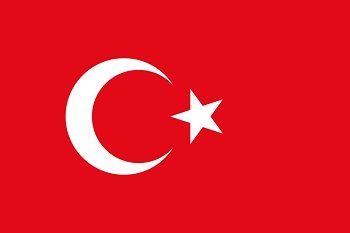
The Turkish language reform continued with the founding by Ataturk, in 1932, with the objective of simplifying and purifying the language. The activities of the Society, which became the Turkish Linguistic Association, were successful in simplifying the Turkish language by purifying it of Arabic and Persian words. Today, the Turkish Linguistic Association continues its activities with a reorganized statute within the structure of the Ataturk Cultural, Linguistic and Historical Higher Council established in 1983. The purification and simplification of Turkish are among the responsibilities of this organization and they have made significant strides. In 1932, the ratio of Turkish words in the written language was 35-40%. Currently this ration now is estimated to be approximately 80%.
The Turkish language is ever evolving and it will be a language to watch as it continues to develop and change.
Contact us for your Turkish translation using our professional translators.